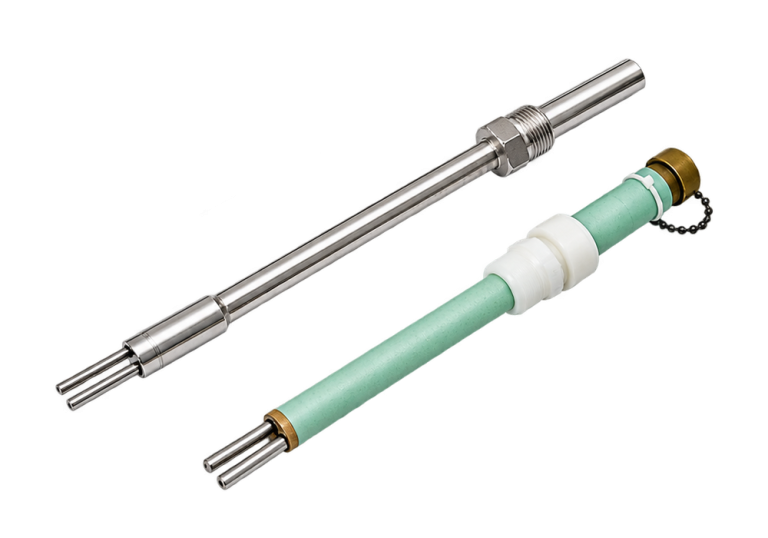
LPR Probes
An LPR probe is an electrochemical corrosion monitoring device designed to measure the instantaneous corrosion rate of a metal while the process remains fully operational. Unlike traditional corrosion coupons, which provide an average corrosion rate over a defined exposure period, LPR probes deliver near real-time data and allow continuous monitoring of changing process conditions.
This makes LPR technology an ideal solution for industries where corrosion control is critical and process conditions can fluctuate.
LPR Probes – Real-Time Corrosion Monitoring for Improved Process Control
What is an LPR Probe?
In modern industrial systems, corrosion can develop at a rapid pace, often triggered by sudden and unpredictable shifts in operating conditions such as temperature, pH levels, oxygen concentrations, flow velocity, or variations in corrosion inhibitor dosing.
Because traditional methods frequently fall short by relying on long-term averages, Linear Polarization Resistance (LPR) probes provide the ideal solution. These advanced electrochemical monitoring devices deliver continuous, real-time measurements of the corrosion rate while the process remains fully operational. This allows operators to detect system changes instantly and take immediate, proactive corrective actions—such as adjusting chemical injection rates—long before significant damage or wall thinning can occur. By doing so, LPR probes transform industrial corrosion management from a reactive necessity into a predictable strategy that substantially enhances the safety, reliability, and service life of critical industrial assets.
Frequently Asked Questions
An LPR (Linear Polarization Resistance) probe is an electrochemical corrosion monitoring device designed to measure the instantaneous corrosion rate of a metal while the process remains fully operational. Unlike traditional corrosion coupons—which only provide an average corrosion rate over a long, fixed exposure period—LPR probes deliver near real-time data to help operators detect and react to changing process conditions immediately.
The primary difference lies in their measurement technology and speed. LPR (Linear Polarization Resistance) probes use electrochemical principles to measure the instantaneous corrosion rate in real time, making them ideal for systems where conditions fluctuate rapidly. ER (Electrical Resistance) probes measure cumulative metal loss over time by tracking changes in electrical resistance, and they work in a wider variety of environments (including non-conductive fluids and gases where LPR cannot operate).
LPR technology works by applying a very small electrical perturbation (potential) to a metal electrode and measuring the resulting current response. Because the applied signal is extremely small, it does not significantly disturb the natural corrosion process, allowing for accurate measurements under actual operating conditions.
To accommodate diverse installation needs and operating conditions, LPR probes come in a wide range of configurations, including:
Fixed length probes
Adjustable insertion length probes
Retractable probes for online removal
High-pressure retrievable probes
Flanged installation systems
Laboratory and research probes
Depending on the specific application, they are available in two-electrode or three-electrode configurations.
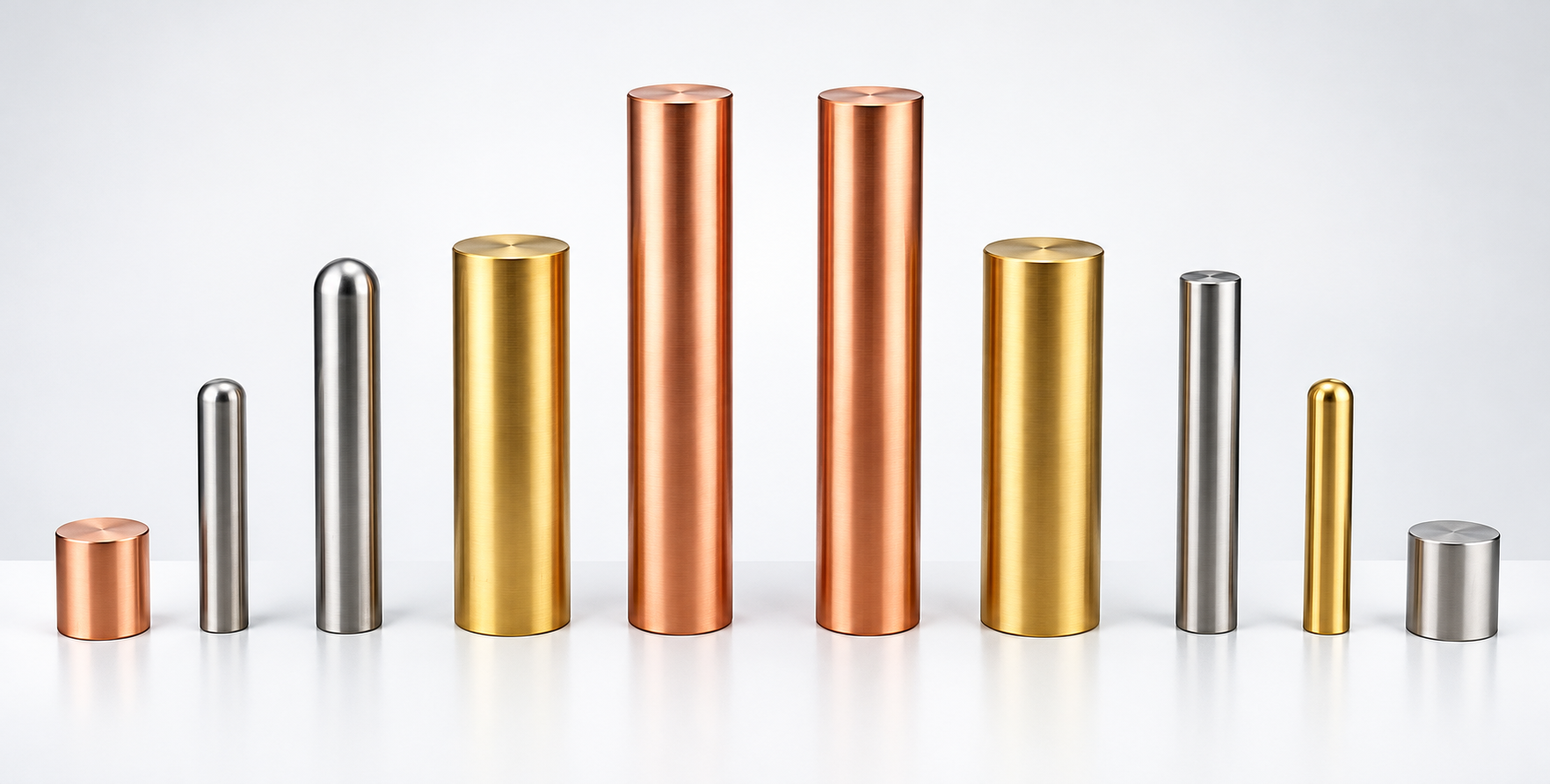
Yes. LPR probes can be supplied with replaceable electrodes manufactured from a wide variety of alloys. This ensures that the monitoring system accurately mimics the corrosion behavior of the specific materials used in your pipelines, vessels, tanks, and process equipment. Furthermore, replaceable electrodes make maintenance easier and more cost-effective over the long term.
By delivering continuous, real-time corrosion measurements alongside process data, LPR probes offer deep insight into corrosion trends and inhibitor performance. This helps operators optimize chemical treatment programs, evaluate the effectiveness of corrosion control, prevent unexpected equipment damage, and extend the operational lifetime of critical assets.