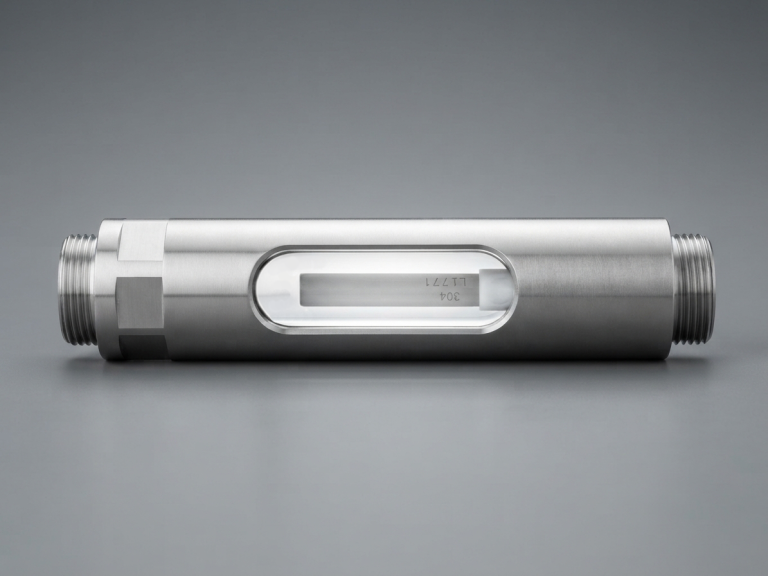
316L Corrosion Bypass Racks
A corrosion bypass rack provides a safe and reliable method for monitoring corrosion without interfering with the main process. By diverting a controlled portion of the process fluid through a dedicated bypass loop, corrosion monitoring devices are exposed to representative operating conditions while remaining easily accessible for inspection, maintenance, and replacement.
Designed for continuous monitoring, bypass racks can accommodate corrosion coupons, ER (Electrical Resistance) probes, and LPR (Linear Polarization Resistance) probes in a single system. This flexibility allows operators to combine long-term weight-loss measurements with real-time corrosion monitoring, providing a comprehensive understanding of corrosion behavior within the process.
Flexible and Easy to Install
Our Product Range
We offer a versatile selection of bypass racks tailored to your specific application needs:
- Stainless Steel 316 Bypass Racks (with Sight Glass): Premium-grade 316 stainless steel construction offering exceptional corrosion resistance, equipped with an integrated sight glass for instant visual flow verification.
- Stainless Steel 316 Bypass Racks (without Sight Glass): Robust and streamlined 316 stainless steel configurations designed for clean, reliable operation without visual monitoring components.
Flexible Configurations
To seamlessly integrate into your setup, all our bypass racks—available in both 316 stainless steel and PVC—can be configured with your choice of:
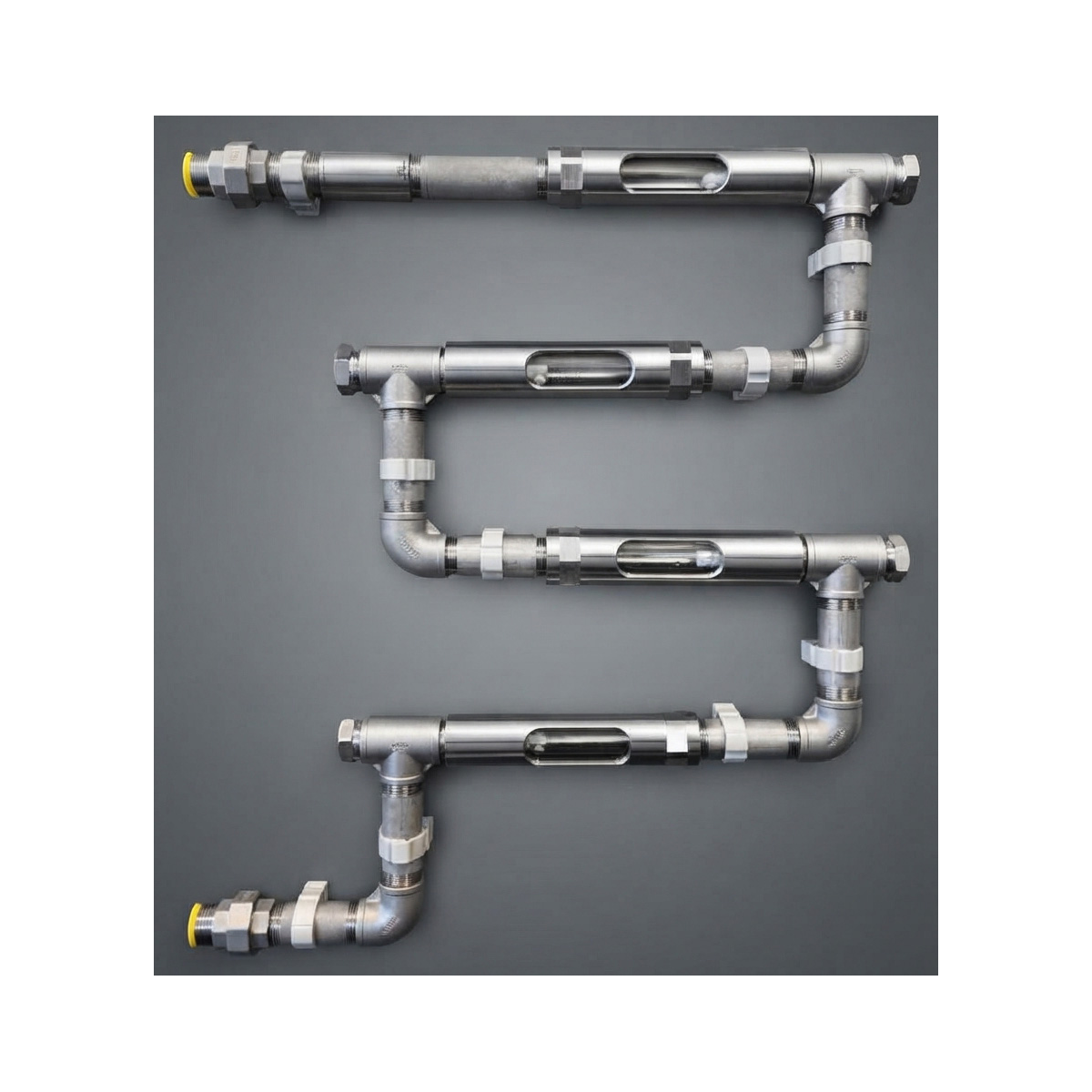
- 2 Stations
- 3 Stations
- 4 Stations
Whether you are upgrading an existing facility or designing a new installation, our standardized yet flexible rack systems guarantee durability and precise performance.
Frequently Asked Questions
A corrosion bypass rack (or bypass piping system) is designed for online corrosion monitoring, allowing operators to evaluate the corrosive properties of process fluids, potable water, or cooling water without disrupting main plant operations. It provides a controlled slipstream where corrosion coupons and electronic probes can be installed and safely inspected.
Bypass racks are easily integrated into existing systems using standard male NPT thread connections (typically 3/4″ or 1″ NPT). Fluid is diverted from the main process line through the rack and routed back downstream, creating a continuous representative sampling stream.
Bypass racks can be custom-configured or ordered in standard 2-, 3-, or 4-station layouts. Depending on temperature, pressure, and chemical compatibility requirements, materials include Schedule 80 PVC, black iron, 316L stainless steel, and galvanized steel.
Standard bypass systems come equipped with integrated flow control assemblies. For example, 3/4″ systems are typically supplied with a 5 GPM flow control valve, while 1″ systems use an 8 GPM valve. This maintains a consistent fluid velocity over the coupons and probes to ensure reliable, repeatable corrosion measurements.
Bypass racks accommodate various monitoring devices, including pre-weighed corrosion coupons (strip or disc style), Linear Polarization Resistance (LPR) probes, and Electrical Resistance (ER) probes. This allows simultaneous weight-loss testing and continuous real-time corrosion monitoring.