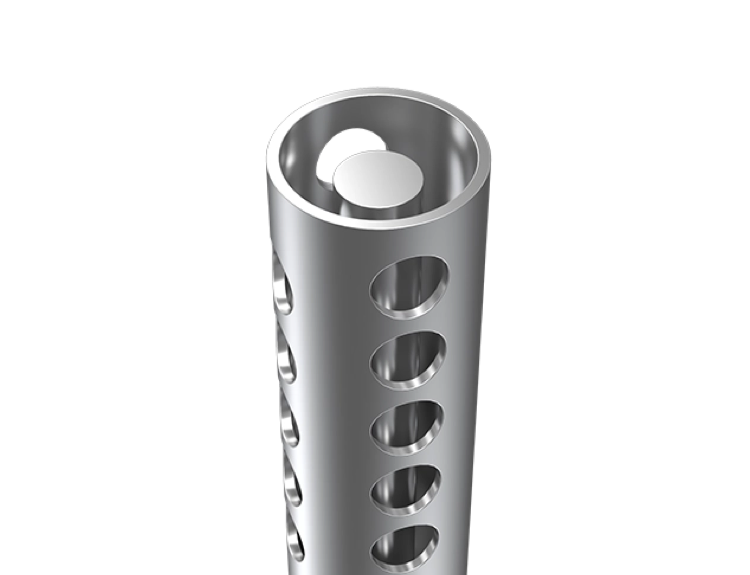
Advanced ER Probes & Corrosion Measurement
Corrosion can significantly impact the safety, reliability, and operational efficiency of industrial assets. Detecting corrosion at an early stage is essential to prevent unexpected failures, reduce maintenance costs, and optimize asset integrity programs.
Electrical Resistance (ER) probes provide a reliable and proven method for online corrosion monitoring, allowing operators to continuously measure metal loss and corrosion rates while equipment remains in operation. Unlike traditional corrosion coupons, ER probes provide corrosion data without the need for removal, laboratory analysis, or process interruption.
ER Probes – Continuous Corrosion Monitoring Through Electrical Resistance Technology
What is an ER Probe?
An Electrical Resistance (ER) probe is an electronic corrosion monitoring device that measures changes in the electrical resistance of a metal sensing element exposed to the process environment.
As corrosion reduces the cross-sectional area of the sensing element, its electrical resistance increases. This measurable change is directly related to metal loss and can be converted into an accurate corrosion rate over time.
ER technology works in a wide variety of environments and is especially valuable in applications where traditional electrochemical monitoring methods are not suitable, including gases, vapors, hydrocarbons, soils, and non-conductive fluids.
Frequently Asked Questions
An ER probe is an electronic corrosion monitoring device that measures changes in the electrical resistance of a metal sensing element exposed to the process environment. As corrosion reduces the cross-sectional area of the element, its electrical resistance increases. By comparing this exposed element to a sealed, protected reference element inside the body, the system compensates for temperature and accurately calculates metal loss and corrosion rates over time.
Unlike traditional corrosion coupons, ER probes provide continuous, online data without requiring equipment shutdown, removal, or laboratory analysis. While coupons must be physically taken out for lab testing, ER probes deliver real-time insights into metal loss and corrosion trends while equipment remains fully operational, enabling faster action and zero process interruption.
ER technology performs reliably in a wide variety of challenging environments where traditional electrochemical methods are unsuitable, including gases, vapors, hydrocarbons, soils, and non-conductive fluids. They are widely used across demanding industries such as pipelines, refineries, chemical plants, and water systems.
By integrating ER probes with data acquisition systems, organizations gain continuous visibility into corrosion behavior. This transforms corrosion management from a reactive approach into a proactive strategy.
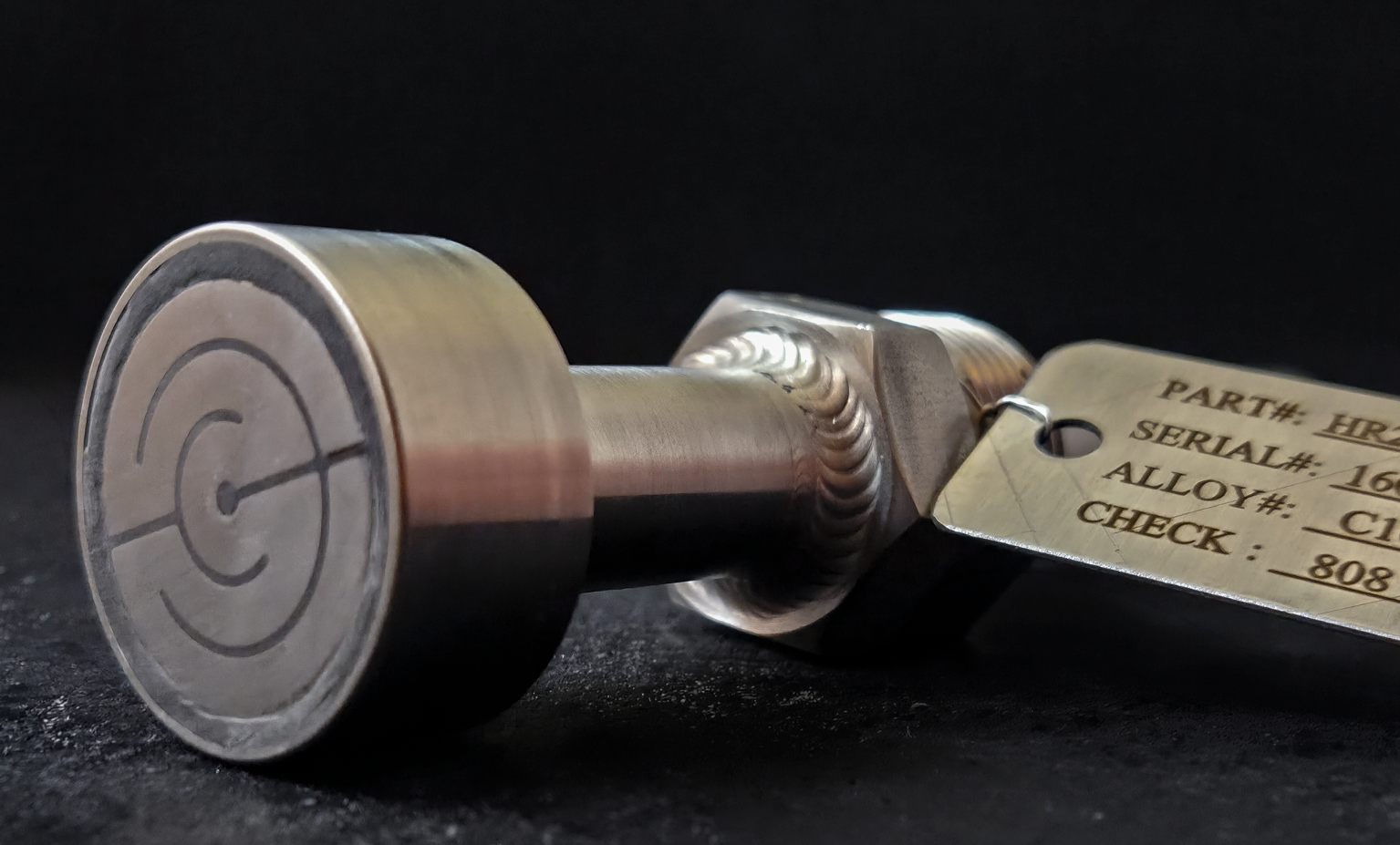
ER probes can be equipped with a variety of sensing element geometries and materials, allowing you to optimize sensitivity, response time, and service life for your specific application. Available element designs include: Wire loop elements, Tube loop elements, Strip loop elements, Cylindrical elements, Spiral loop elements, Flush-mounted elements