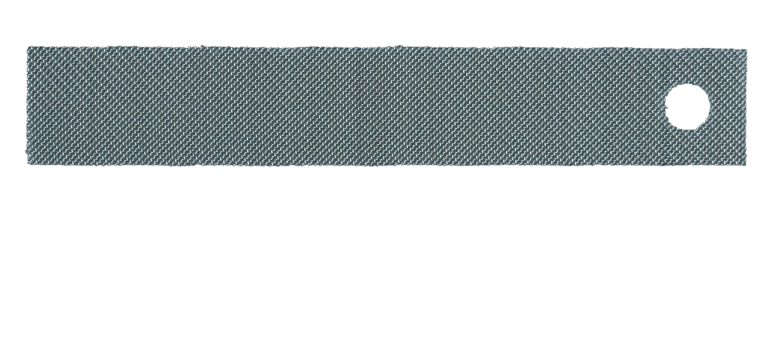
Biofilm (Mesh) Coupons
Bacteria and microorganisms are present in virtually every industrial process medium, ranging from open cooling water loops to crude oil pipelines. When left unmonitored, these microorganisms adhere to internal piping surfaces and form dense biofilms. This biological layer insulates heat transfer surfaces, drastically reducing the thermal efficiency of heat exchangers and cooling systems. Furthermore, localized microbial colonies drive Microbiologically Influenced Corrosion (MIC), accelerating pitting and material degradation that can lead to premature equipment failure and costly unscheduled shutdowns.
Early Detection of Biofouling & MIC
Metal Samples Biofilm Coupons provide a reliable, direct method for monitoring sessile microbial activity and optimizing biocide dosing programs. Constructed from a fine stainless steel wire mesh, the coupon offers an expanded, high-surface-area substrate that encourages rapid bacterial colonization while remaining resistant to general corrosion. Once retrieved from the process stream, the coupon can be analyzed in a laboratory to accurately culture, quantify, and identify the specific microorganisms present in your system.
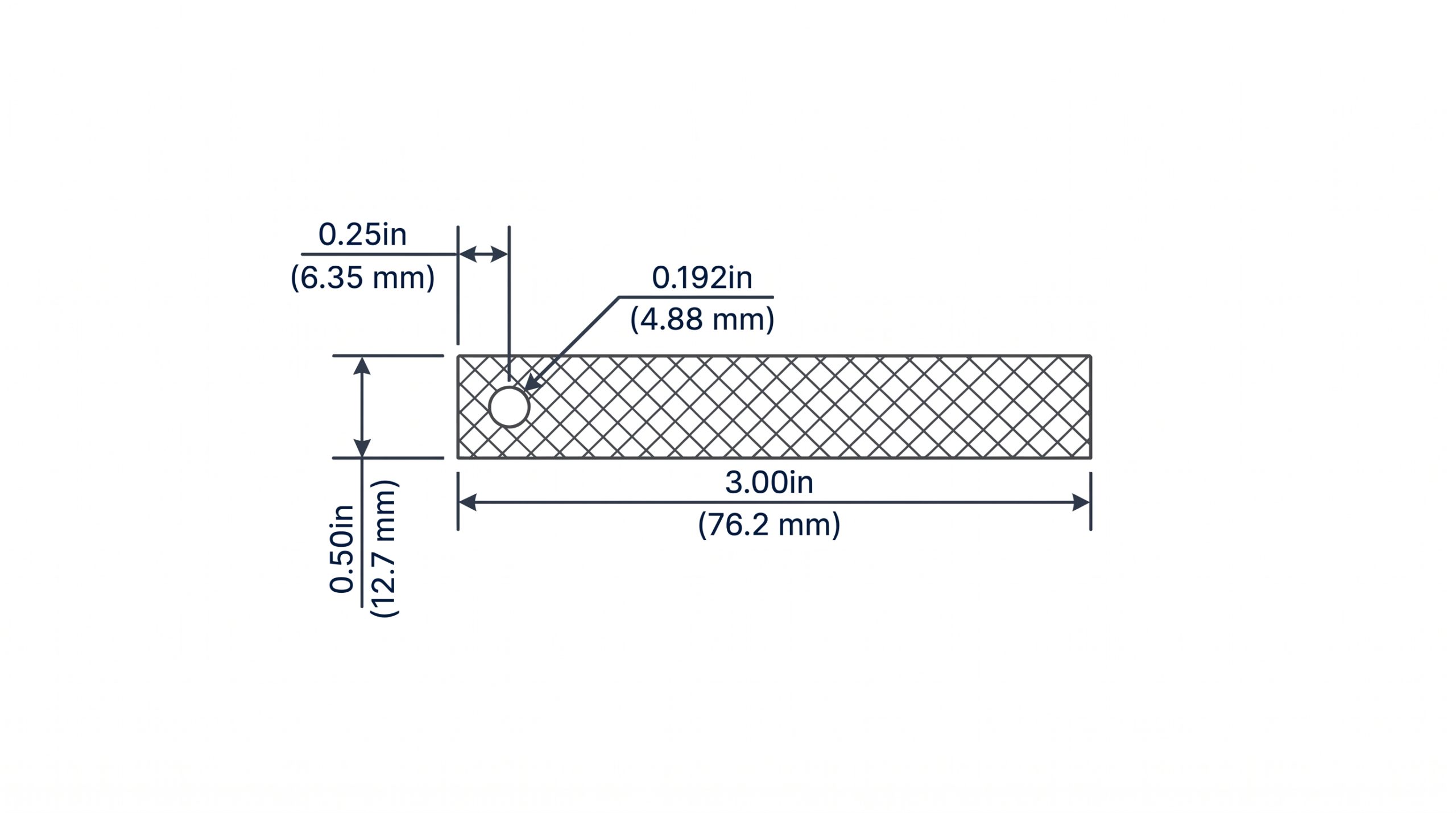
Designed to match the exact footprint of standard strip weight-loss corrosion coupons, the biofilm coupon integrates effortlessly into your existing monitoring infrastructure without requiring specialized hardware. Its compact dimensions of 76.2 mm × 12.7 mm (3″ × ½”) and standard 4.88 mm (0.192″) mounting hole allow direct installation into virtually any standard fixed, adjustable, or retractable coupon holder, as well as bypass racks. With a total wire mesh surface area of approximately 35.87 cm² (5.56 sq. in.), it delivers consistent, representative sampling across a wide variety of piping and plant access points.
Frequenly Asked Questions
Unlike smooth flat coupons designed primarily for weight-loss measurements, the open stainless steel wire mesh construction provides a significantly larger, textured surface area (approx. 35.87 cm² / 5.56 sq. in.). This geometry mimics crevices and flow disturbances in piping systems, creating an ideal environment for sessile bacteria to attach and colonize rapidly while resisting base-metal corrosion.
The coupon is manufactured to the exact footprint of standard strip weight-loss coupons—measuring 76.2 mm × 12.7 mm (3″ × ½”) with a 4.88 mm (0.192″) mounting hole. This allows seamless installation in standard fixed, adjustable, and retractable coupon holders, as well as bypass piping racks, without requiring specialized mounting hardware.
Once removed from the process stream, the coupon is typically placed in a sterile transport vial or buffer solution and sent to a laboratory. Because the stainless steel mesh resists corrosion and retains biological deposits effectively, technicians can dislodge, culture, quantify, and identify the exact microbial populations (such as sulfate-reducing or acid-producing bacteria) to evaluate biocide efficacy and Microbiologically Influenced Corrosion (MIC) risks.
Yes. Installing biofilm mesh coupons alongside standard weight-loss coupons (for example, in a multi-port bypass rack or dual-coupon holder) is a best practice. It enables operators to correlate biological growth and biocide performance directly with actual physical metal loss and pitting rates under identical process conditions.
They are widely used in any aqueous or multiphase industrial system susceptible to biofouling and MIC, including open and closed cooling water loops, heat exchangers, firewater systems, wastewater treatment plants, pulp and paper mills, and oil and gas production or water-injection pipelines.