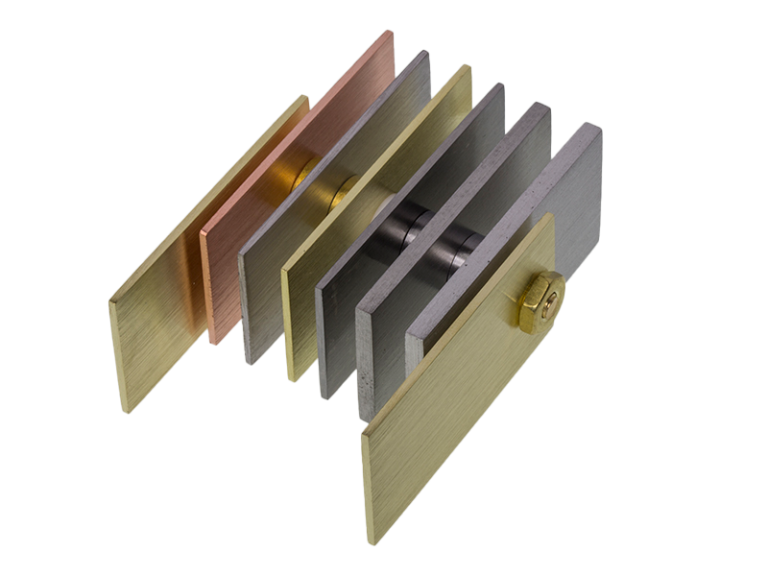
Precision ASTM D1384 Test Bundles for Coolant Corrosion Evaluation
Ensure the highest standards of quality, reliability, and regulatory compliance for engine coolants and heat transfer fluids with our precision-engineered ASTM D1384 Test Bundles. Designed in strict accordance with the Standard Test Method for Corrosion Test for Engine Coolants in Glassware, our complete coupon bundles provide laboratories and manufacturers with the exact metal specimens needed for accurate, repeatable corrosion testing.
Why Choose Our ASTM D1384 Test Bundles?
- Full Compliance: Fabricated precisely to standard dimensional, material, and metallurgical specifications.
- Consistent Quality: Pre-cleaned, precision-weighed (upon request), and carefully packaged to prevent contamination and oxidation.
- Reliable Performance Evaluation: Helps accurately measure weight loss and assess the protective properties of ethylene glycol, propylene glycol, and alternative fluid formulations.
Standard Test Bundle Composition
Each standardized test bundle includes the full set of six core metal specimens representing typical cooling system metallurgy:
- Copper (UNS C11000)
- Solder (Grade 30A / Solder-Coated Brass options available)
- Brass (UNS C26000)
- Steel (UNS G10200 / SAE 1020)
- Cast Aluminum (UNS A23190 / SAE 326)
- Cast Iron (SAE G3500)
Applications
- Formulation and development of automotive and heavy-duty engine coolants.
- Quality assurance and batch testing for commercial antifreeze products.
- Corrosion inhibitor performance verification and comparison.
- Research and development in industrial heat transfer and thermal fluids.

Frequently Asked Questions
An ASTM D1384 test bundle is a standardized set of metal test specimens used in glassware corrosion testing for engine coolants and antifreeze formulations. Its primary purpose is to evaluate the corrosion-inhibiting properties of coolants by measuring metal weight loss across various automotive cooling system alloys.
A standard bundle includes six distinct metal specimens representing typical components of an engine cooling system: copper, solder, brass, steel, cast aluminum, and cast iron. Each specimen is manufactured to strict metallurgical standards to ensure consistent and repeatable testing results.
To maintain high metallurgical integrity, each bundle is individually packaged in protective, moisture-resistant packaging that prevents surface oxidation, scratching, or chemical contamination during storage and transit.