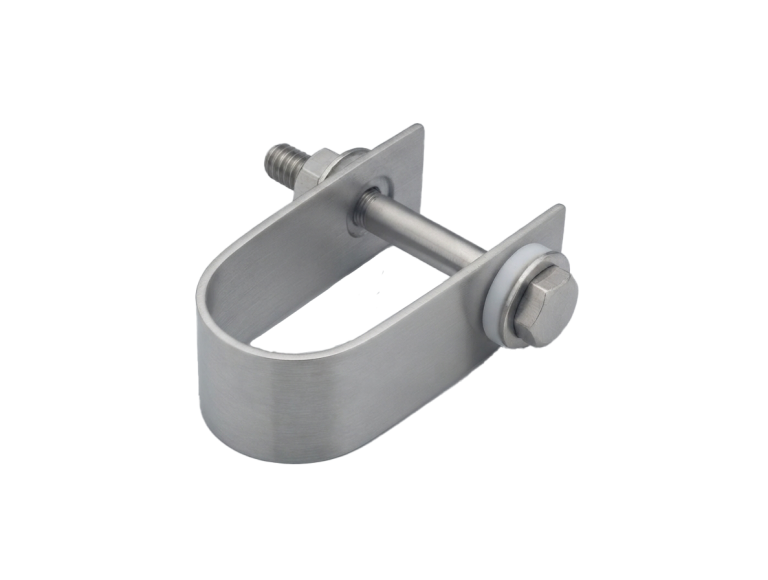
Stressed Coupons
Stress coupons are used to study the influence of mechanical stress on corrosion performance. They help identify susceptibility to stress-related corrosion mechanisms and provide valuable data for applications where residual stresses, applied loads, or material deformation may contribute to corrosion damage.
Reliable Detection of Stress Corrosion Cracking (SCC) in Critical Industrial Assets
Stress Corrosion Cracking (SCC) occurs when mechanical tensile stress and a corrosive environment combine, posing a severe threat to the integrity of storage tanks, pressure vessels, and piping systems in the chemical, petrochemical, and industrial sectors.
Our stressed coupons (stressed specimens) are specifically engineered to accurately simulate and monitor this risk, helping you prevent unexpected downtime and catastrophic failures.
Why Choose Metal Samples’s Stressed Coupons?
Compliant with International Standards: Manufactured in accordance with rigorous ASTM standards (including G30, G38, G39, and G58) or custom-built to your precise specifications.
Wide Material Selection: Available in a diverse range of high-performance materials and alloys (such as stainless steels and nickel superalloys) to match your specific process environment.
Full Traceability: Each specimen can be marked with a unique serial number for accurate identification and quality assurance.
Accurate Simulation: Provides crucial insight into material susceptibility to stress corrosion cracking under actual operating conditions.
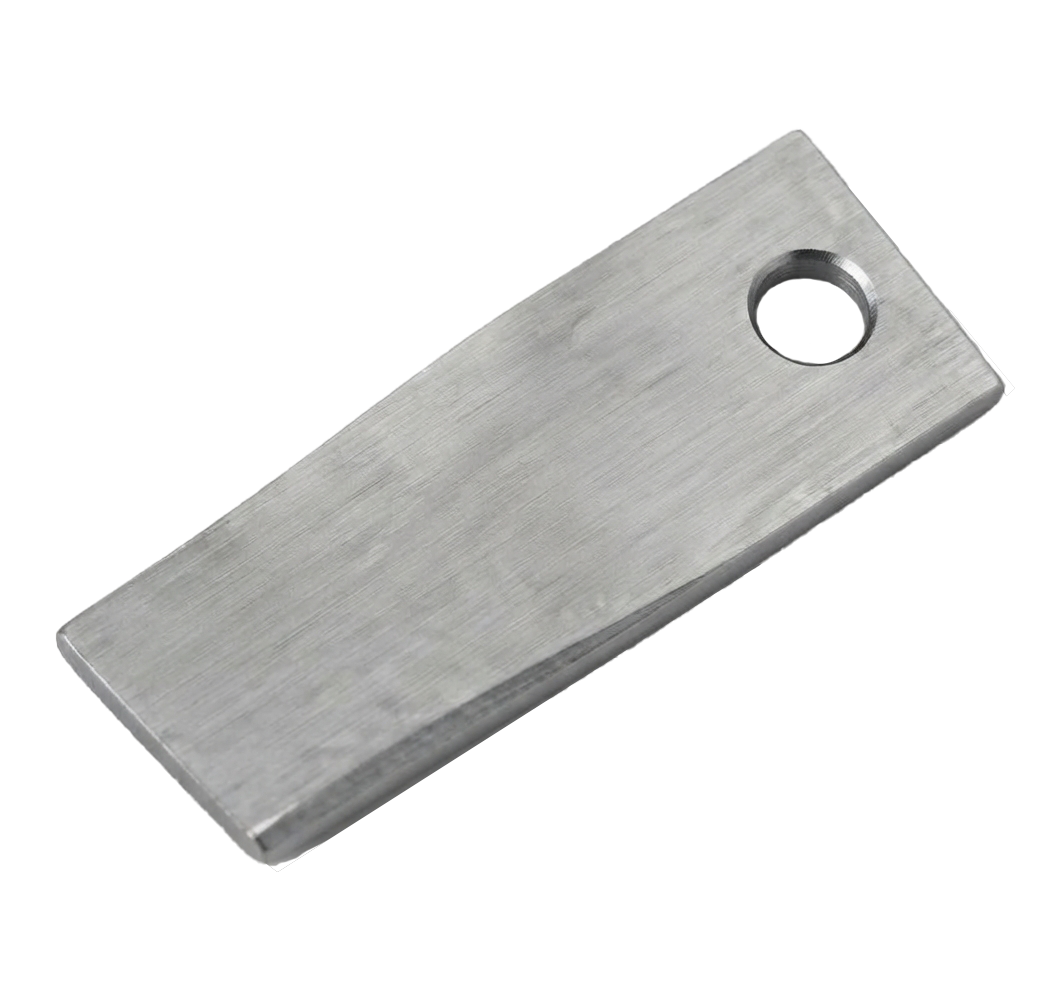
Frequently Asked Questions
Stressed corrosion coupons (or stressed specimens) are used to evaluate and monitor a material’s susceptibility to Stress Corrosion Cracking (SCC) in specific industrial environments. They help engineers and asset integrity managers assess how materials perform under combined mechanical tensile stress and corrosive media.
Our stressed specimens are manufactured in strict accordance with recognized ASTM standards—such as ASTM G30 (U-Bend), ASTM G38 (C-Ring), ASTM G39 (Bent Beam), and ASTM G58—or they can be custom-fabricated to meet your specific project requirements.
They are available in a wide selection of high-performance materials and alloys, including various grades of stainless steel (such as 316L) and nickel-based superalloys, chosen to match your exact process conditions and chemical exposure.
Depending on your testing protocol and application, common configurations include U-Bend, C-Ring, Bent Beam, and Welded variants, designed to simulate stress concentrations in both welded and unwelded structures.